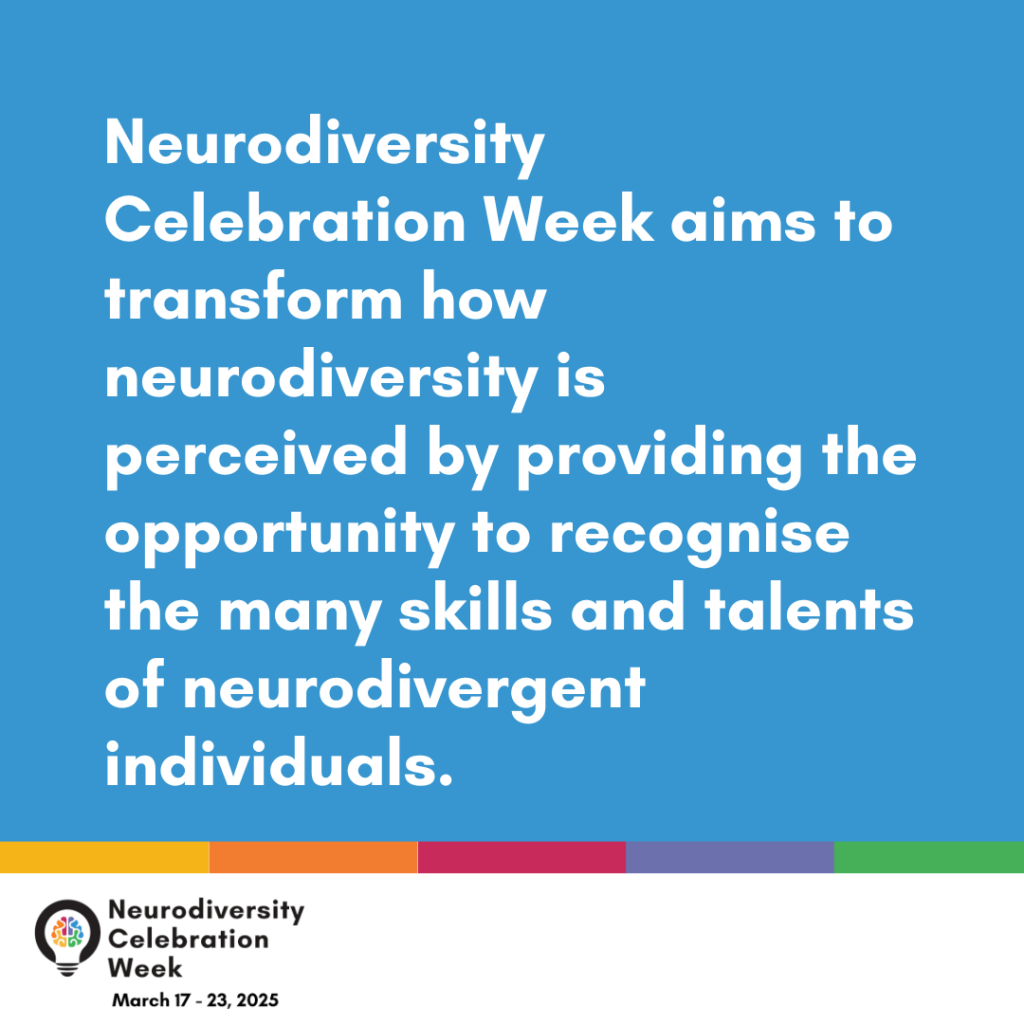
Neurodiversity Celebration Week is an annual online event organised by the psychological consultancy network Lexxic. The week brings together experts and advocates to deliver webinars on topics such as recognising the power of diversity, challenging unhelpful stereotypes, and supporting neurodivergence across institutions and in recruitment.
This year, the event covered a wide range of subjects, including mental health, neuroinclusive working environments, navigating neurodivergence in the criminal justice system, person-centred management for neuroinclusion, and the intersection of neurodivergence and LGBTQIA+. Unfortunately, I was unable to attend all 24 official events, but I have gathered some thoughts on the ones I did manage to join.
One aspect that often frustrates me about similar events is the heavy emphasis on office environments and high-status jobs. Strategies for inclusive workplaces frequently overlook neurodivergent individuals excluded by mainstream education or those working in blue-collar sectors. Additionally, the strength-based approach, while valuable can sometimes feel overly idealistic, trivialising the genuine challenges faced by neurodivergent people.
That said, I was impressed by the range of topics and the way they were addressed by the speakers. Tania Martin from Peg Square set the tone in the first webinar, “Breaking Barriers: The Power of Language and Neurodiversity,” by clearly differentiating between neurodiversity and neurodivergence. Charlie Hart, also known as Awesome Charlie, provided a fascinating exploration of the origins of the term “neurodiversity” in the webinar “Neurodiversity and Mental Health.” I was particularly delighted to see representation from the hospitality sector in “Neurodiversity Seldom Travels Alone.” With Ashoka Wallace Head bartender and advocate within the hospitality industry.
From the events I attended, this year’s Celebration Week felt balanced. However, there is still room for improvement. I would have loved to see more discussions on neurodivergence across various sectors and the employment gap. But like I say, I did only attend a handful of events.
One event that stood out to me was “Empowering Neurodivergence in the Workplace.” This session tackled crucial issues about neurodivergence at work and in the recruitment process. A discussion on the UK’s skills shortage resonated with me, and the panellists offered insightful solutions to support neurodivergent job seekers and employers. For instance, should all jobs require formal qualifications, or could more roles accept candidates qualified by experience? Not everyone has the privilege of higher education. Another significant topic was competency-based interview questions and whether it’s time to modernise the recruitment process.
My favourite conversation, however, revolved around interview questions. Interviews should identify the best candidate for the job while also allowing the candidate to assess the suitability of the workplace. Yet, interviews often feel like a stressful test, with candidates expected to rehearse countless potential questions that might not even arise. Would it not benefit both employers and job seekers to provide interview questions in advance? This approach could streamline the recruitment process, reduce stress, and potentially address the skills shortage and employment gap.
A recurring theme across the events was the need to make diversity, equity, and inclusion (DEI) conversations less intimidating. Many employers fear getting it wrong, suggesting the need for a framework that allows for learning from mistakes. Neurodivergence comes in many forms, and implementing adjustments based on one neurotype can inadvertently reinforce stigma. Encouraging employees to disclose their specific needs might create more person-centred workplace strategies. Conversely, some adjustments like providing interview questions in advance or making sensory adjustments in the workplace could benefit the entire workforce, not just neurodivergent individuals.
I’m relieved to be neurodivergent today. Events like Celebration Week highlight how the conversation around neurodiversity is growing, with more institutions recognising the value of diversity. It was inspiring to see topics addressing intersectionality, neurodivergence in the criminal justice system, and the LGBTQIA+ community. However, challenges remain. The government’s recent proposals for disability benefits and the Health Secretary’s comments about mental health underscore ongoing issues. There are significant disparities in ADHD provisions across socioeconomic groups, mental health service waiting lists are longer than ever, and approximately 30-40% of neurodivergent individuals in the UK remain unemployed.
Despite these challenges, Neurodiversity Celebration Week 2025 was a meaningful and productive step forward in advancing the conversation around neurodivergence.
For conversations around Neurodiversity at Work locally see this blog about Ethical Readings Neurodiversity at Work Group


 Reading ADHD Group
Leave a comment