Elvira de Querol Cumbrera
Young people with ADHD don’t always meet academic milestones. In a world obsessed with productivity for young people with ADHD it can feel like they have failed before they started. Some people take longer than others to decide that they want to do.
And that’s okay
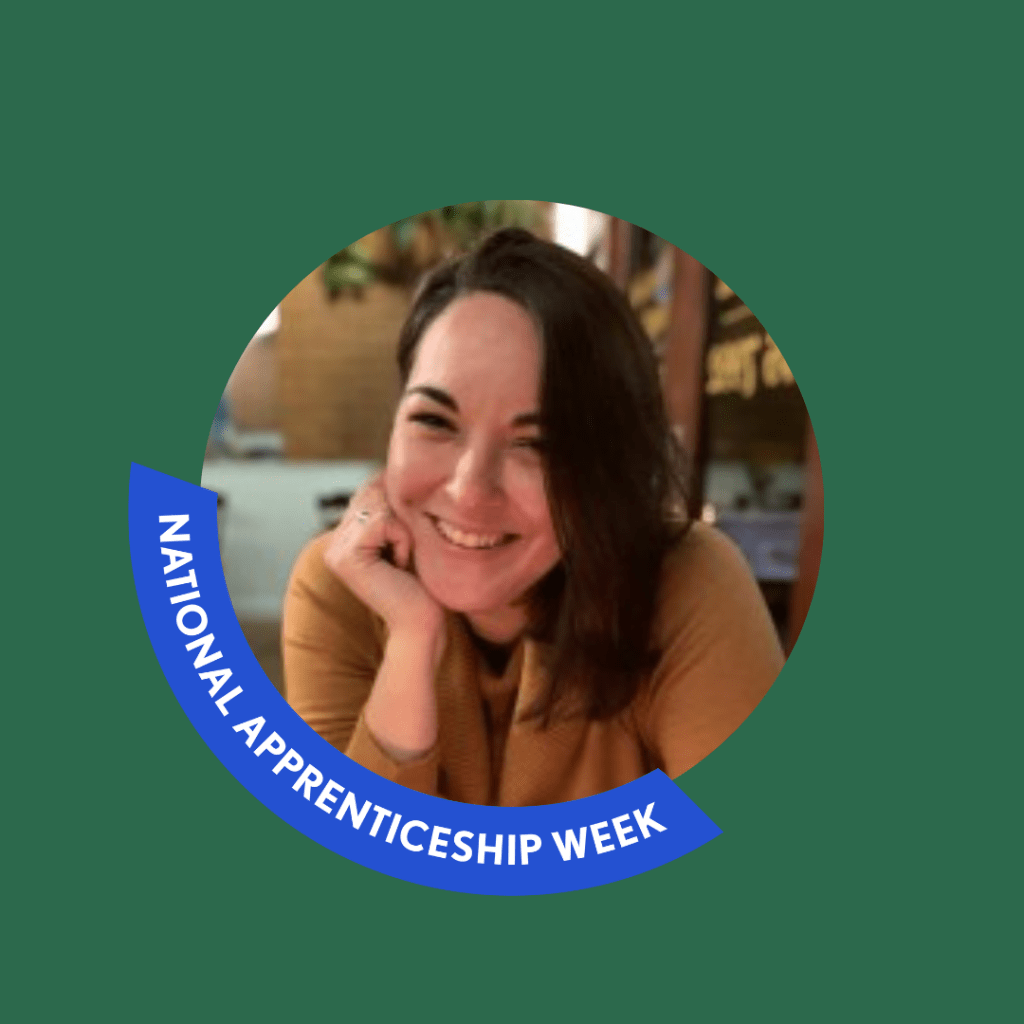
We spoke to Elvira de Querol Cumbrera now age 42, who didn’t discover her ADHD until her 30s. Elvira has a successful career in Education Management which she earned through an apprenticeship after discovering that she had ADHD.
How long did your apprenticeship take?
18 months for L4 and then 24 months for the L6 which gave me a BSc Hons
Tell me about your story?
I grew up in Spain and tried many different jobs, always searching for something that felt right.
Discovering I have ADHD in my 30s helped me understand why traditional education and work
didn’t always suit me. After moving to the UK and working in the charity sector, I discovered
degree apprenticeships. This path let me learn while working, and I completed both a Level 4
and Level 6 apprenticeship, earning a BSc (Hons) in Digital and Technology Solutions. I changed
roles, found great mentors, and learned to ask for the support I needed. My journey shows that
there are many ways to succeed, and with the right help, people with ADHD can do really well at
work.
When you were at school, how did academic pressure and grades affect your
confidence, especially as someone with ADHD?
I did well in primary school, but as I got older, I found it hard to focus and stay interested.
Studying at home was tough, and I often felt behind. Even though I passed my exams, I
started working part-time in high school and realised that university didn’t feel like the right
path for me.
Was there a moment when you realised that university wasn’t the right or only
path for you? What helped you see apprenticeships differently?
At 17, I couldn’t find a university course in Spain that interested me, so I didn’t go. Later, in
the UK, I tried an online degree while working full-time, but it didn’t suit my way of learning. I
only learned about degree apprenticeships in my late 30s, when my company started
offering them. By then I realised I was interested in Data analytics and Business Analysis,
and realised there were other ways to learn and build or change a career.
What first attracted you to an apprenticeship, and what concerns or doubts did
you have before starting?
I liked that I could work and study at the same time, and use what I learned in real situations.
My company supported me to make a career change, and the apprenticeship filled a real
need in my workplace. I was able to work four longer days, which gave me time to focus,
and I got help from an ADHD coach to manage stress. I was worried about keeping up my
work quality while studying, but having support from my managers made a big difference.
Were there any adjustments, mentors, or workplace cultures that made a real
difference to your success as an apprentice?
After finishing my Level 4 apprenticeship, I moved into a new role as data solutions manager
for UK education programs. I started my degree apprenticeship at the same time. My
manager was very supportive but didn’t always have the technical knowledge I needed, so I
she linked me with the Head of Digital Solutions who became my mentor. On my last year of
the apprenticeship degree, I was promoted to my current role, and joined the Digital Solutions team as a Business Analyst. Having mentors and a supportive workplace has definitely been an important part of my success.
Looking back, what skills or strengths do you now realise you had all along,
even if school didn’t recognise them?
I’ve always been logical and good at thinking strategically. I’m not afraid to ask for feedback
or learn from mistakes, and always seen every role as an opportunity to learn and develop.
Having ADHD means I can work well under pressure if I am motivated, but I’ve learned to
balance that to avoid burnout.
Can you describe a moment during your apprenticeship when you thought, “This was the right choice for me”?
After finishing my Level 4 apprenticeship, I got a full-time job in data and started the next
level. The work was challenging but rewarding. Being scored based on real projects that
made a difference in my company instead of exams was the right choice for me.
What would you say to a young person with ADHD who feels like they’ve already
fallen behind because of grades or exam results?
Schools aren’t always set up for people with ADHD. Try to find something you enjoy and let
that motivate you. You don’t have to decide your future right away, it’s okay to try different
things until you find what fits.
How has your apprenticeship shaped your career, confidence, or sense of
belonging in the world of work?
I’ve worked at my company for over eight years and done five different roles, moving up step
by step. Studying while working helped me grow in confidence and skills. I always try to
learn from each job and ask for feedback. Feeling valued and supported at work has helped
me believe in myself.
If schools and careers advisers truly understood ADHD better, what do you think
they would do differently when talking to young people about apprenticeships?
If schools and careers advisers understood ADHD better, they would look beyond grades
and exams. They’d help young people find their strengths and interests, and show that
apprenticeships are just as valuable as university. They’d listen to each person’s story and
give advice that fits their needs. Most of all, they’d help young people see that ADHD isn’t a
barrier, it’s a different way of thinking that can be a real strength at work
You can connect with Elvira on Linkedin


 Reading ADHD Group
Leave a comment